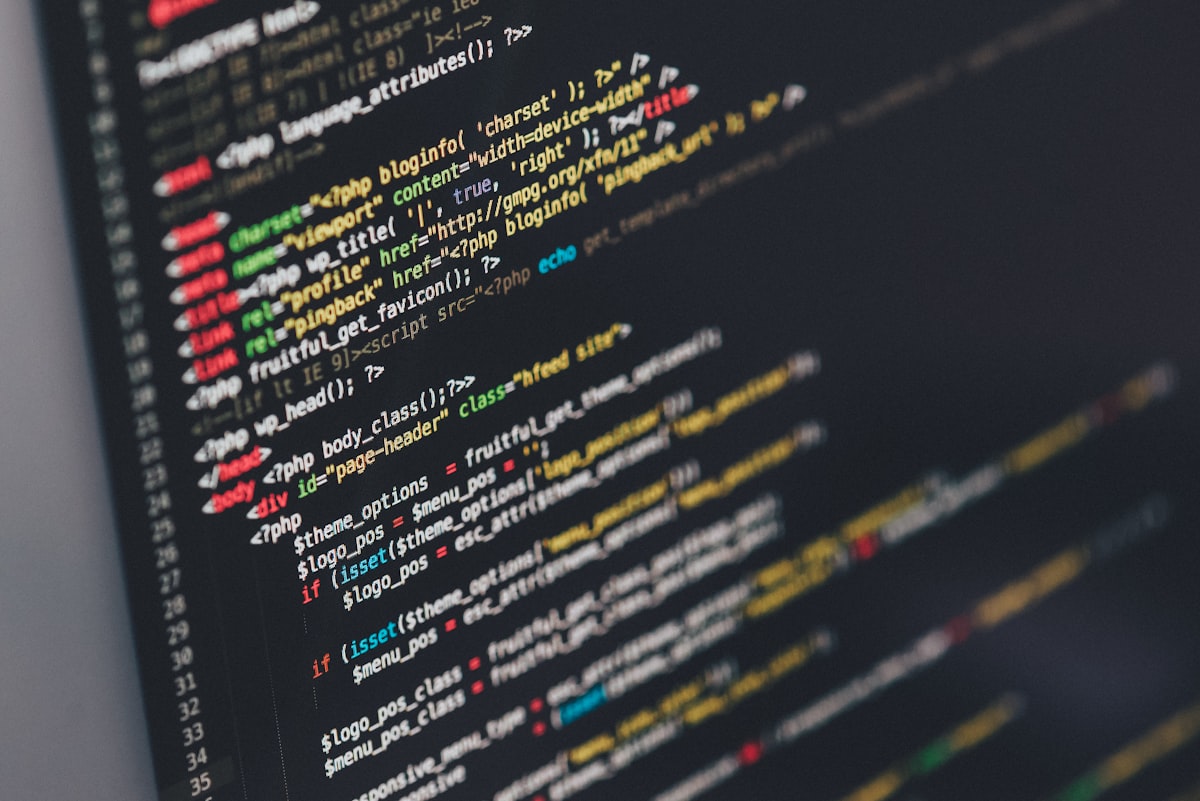

Analyzing and debugging existing code is an essential skill in mastering CPP. By examining and troubleshooting code written by others, you can deepen your understanding of programming concepts, identi
CPP - Introduction
Analyzing and debugging existing code is an essential skill in mastering CPP. By examining and troubleshooting code written by others, you can deepen your understanding of programming concepts, identify common pitfalls, and refine your problem-solving abilities.
Here are some strategies to consider:
Study Open-Source Projects:
Explore open-source CPP projects and study their codebase. Choose projects that align with your interests or cover areas you want to specialize in.Read and Understand Legacy Code:
Challenge yourself by reading and understanding legacy CPP code. Legacy codebases often present unique challenges, such as outdated practices, complex architectures, and code that lacks proper documentation.Debugging Techniques:
Develop proficiency in debugging techniques to identify and resolve issues in existing code. Familiarize yourself with debuggers like GDB, Visual Studio Debugger, or LLDB.Use Static Analysis Tools:
Utilize static analysis tools to analyze existing code for potential issues and code quality improvements. Tools like Clang Analyzer, Cppcheck, and PVS-Studio can identify potential memory leaks, uninitialized variables, unused code, and other code smells.Collaborate on Refactoring Projects:
Join or initiate refactoring projects where codebases are improved by addressing technical debt, enhancing performance, or adopting modern CPP features.Leverage Code Analysis Tools:
Utilize code analysis tools and metrics to gain insights into code complexity, maintainability, and adherence to best practices. Tools like CppDepend and SonarQube provide detailed reports.Document and Comment Code:
While analyzing existing code, take note of areas where documentation and comments are lacking. Practice adding meaningful comments and documentation.
Conclusion
In conclusion, debugging in C++ is a critical skill that empowers developers to identify, isolate, and rectify issues within their codebase. By leveraging advanced debugging tools like gdb and integrated development environments (IDEs) tailored for CPP development, programmers gain the ability to step through code, inspect variables, and diagnose errors systematically.