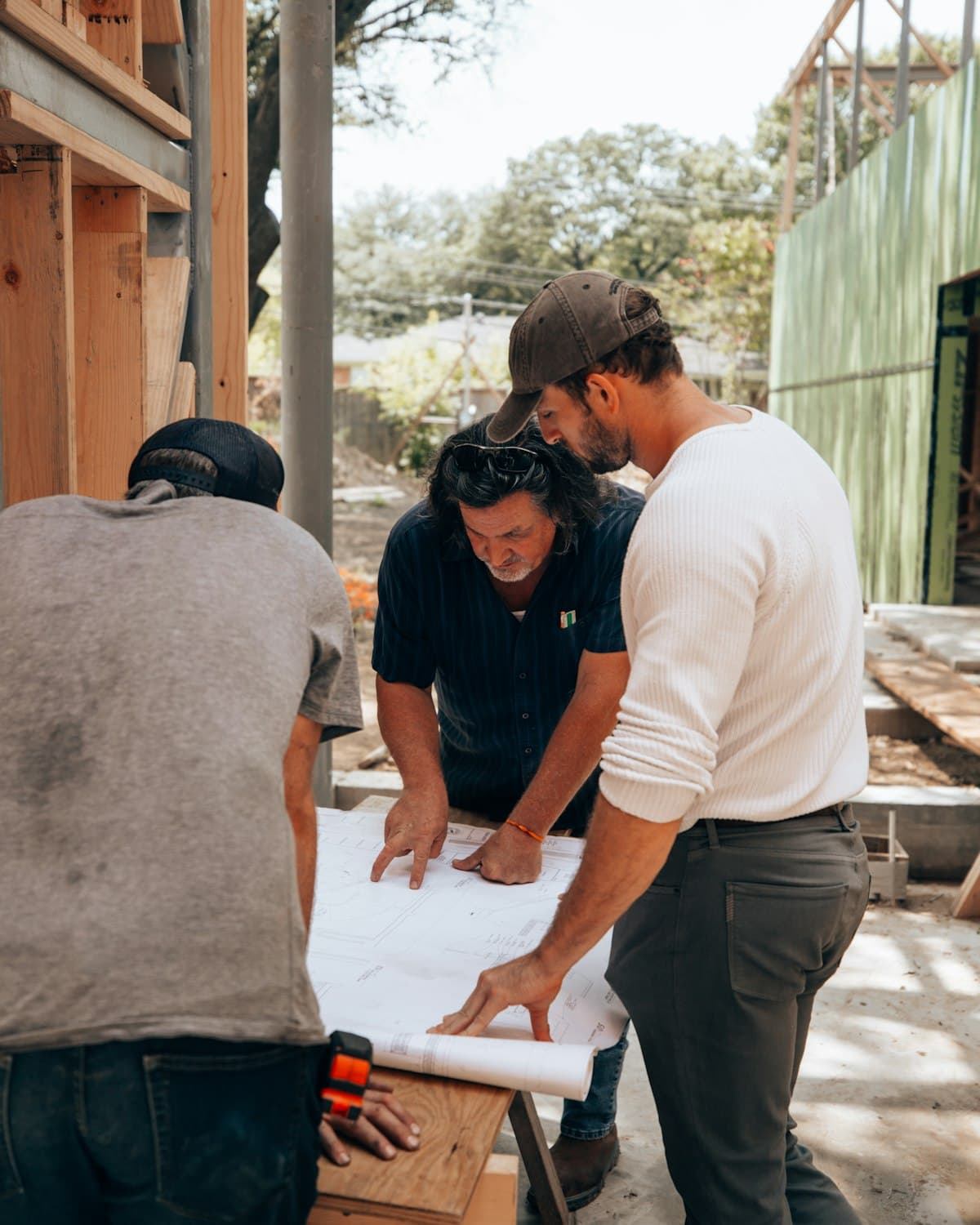
The Estimating Arms Race
In construction, the estimating department is where revenue begins. Every project starts as a set of plans and specifications that need to be translated into a number - a number that's low enough to win the work but high enough to protect your margin. Getting this translation right, and getting it done fast, is the single most important capability in a competitive construction firm.
The problem is that traditional estimating is both an art and a science, and it doesn't scale. Your best estimators carry decades of experience about material costs, labor productivity, subcontractor pricing, and site conditions. They produce excellent estimates - but they can only produce so many per week. When bid volume increases, quality suffers or capacity becomes a constraint.
How AI Changes Estimating
AI-powered estimating systems start with the same inputs a human estimator uses - plan sets, specifications, site information - and apply machine learning to automate the most time-consuming steps. Automated takeoff uses computer vision to read drawings and extract quantities: linear feet of pipe, square footage of flooring, cubic yards of concrete. The AI cross-references these quantities against your historical cost database, applying location factors, complexity adjustments, and current pricing.
The result isn't a finished estimate - it's a detailed first draft that's 80-90% complete. Your estimator reviews the output, adjusts for project-specific factors the AI can't capture, applies their judgment on risk items and competitive positioning, and produces a final number. The estimator's time shifts from data entry and calculation to analysis and strategy - exactly the high-value work that wins bids.
Speed Creates Opportunity
When estimates that used to take two weeks can be produced in two days, the math of bidding changes fundamentally. You can bid on more projects, respond to invitation to bids faster, and have more time for the strategic pricing decisions that determine whether you win at a healthy margin. You can also produce preliminary budgets for design-build opportunities that previously couldn't justify the estimating investment.
Several contractors report that AI-assisted estimating has increased their bid volume by 50-100% while actually improving estimate accuracy. More bids at better accuracy translates directly to more wins at better margins - the kind of compounding advantage that reshapes competitive positioning over time.
Preserving Institutional Knowledge
One of the most valuable but least discussed benefits of AI estimating is knowledge preservation. Every estimate the AI processes adds to its understanding of your specific cost patterns, productivity rates, and competitive landscape. When a senior estimator retires, their decades of knowledge don't walk out the door - they're embedded in the system's cost models. New estimators become productive faster because they're building on the organization's collective experience rather than starting from scratch.