AI is no longer an experimental add-on in software development. It's already changing how code gets written, tested, deployed, and maintained, and it's doing that without replacing the developers behind it. Most teams now touch some form of AI tooling every day, whether that's a code suggestion in their editor or an automated test run before a deployment.
This guide walks through where AI is actually being used across the software development lifecycle today, the tools teams are using, and what's likely to change next.
What is AI's Role in Software Development?
AI in software development means using machine learning and related tools to handle parts of the development lifecycle that used to be entirely manual, things like writing boilerplate code, running test cases, predicting project delays, and catching security issues. It doesn't replace the judgment a developer brings to a project. It removes a lot of the repetitive work so developers can spend more time on the parts of the job that actually need a human.
AI in Code Generation and Developer Assistance
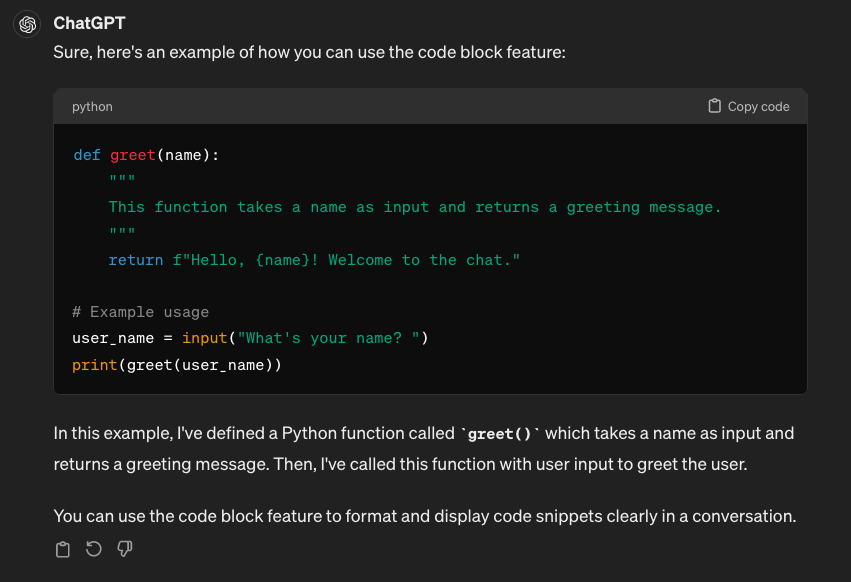
This is where AI's impact on software development is most visible. GitHub Copilot, built on OpenAI's Codex, can generate entire code snippets from a plain-language instruction, which means less time on routine, repetitive coding and more time on the harder problems in a project.
AI tools can also refactor existing code and flag places where it doesn't follow best practices. When integrated directly into an IDE, they offer real-time suggestions as a developer types, which cuts down on errors before they ever reach a code review.
Google's TensorFlow AutoML lets developers build machine learning models without deep ML expertise, and Microsoft's Azure AI does something similar for adding AI functionality into existing apps. Tools like these are a big part of why AI adoption has spread beyond specialized AI teams. Small teams with no dedicated AI expertise can now use them directly.
AI in Software Testing and Bug Detection
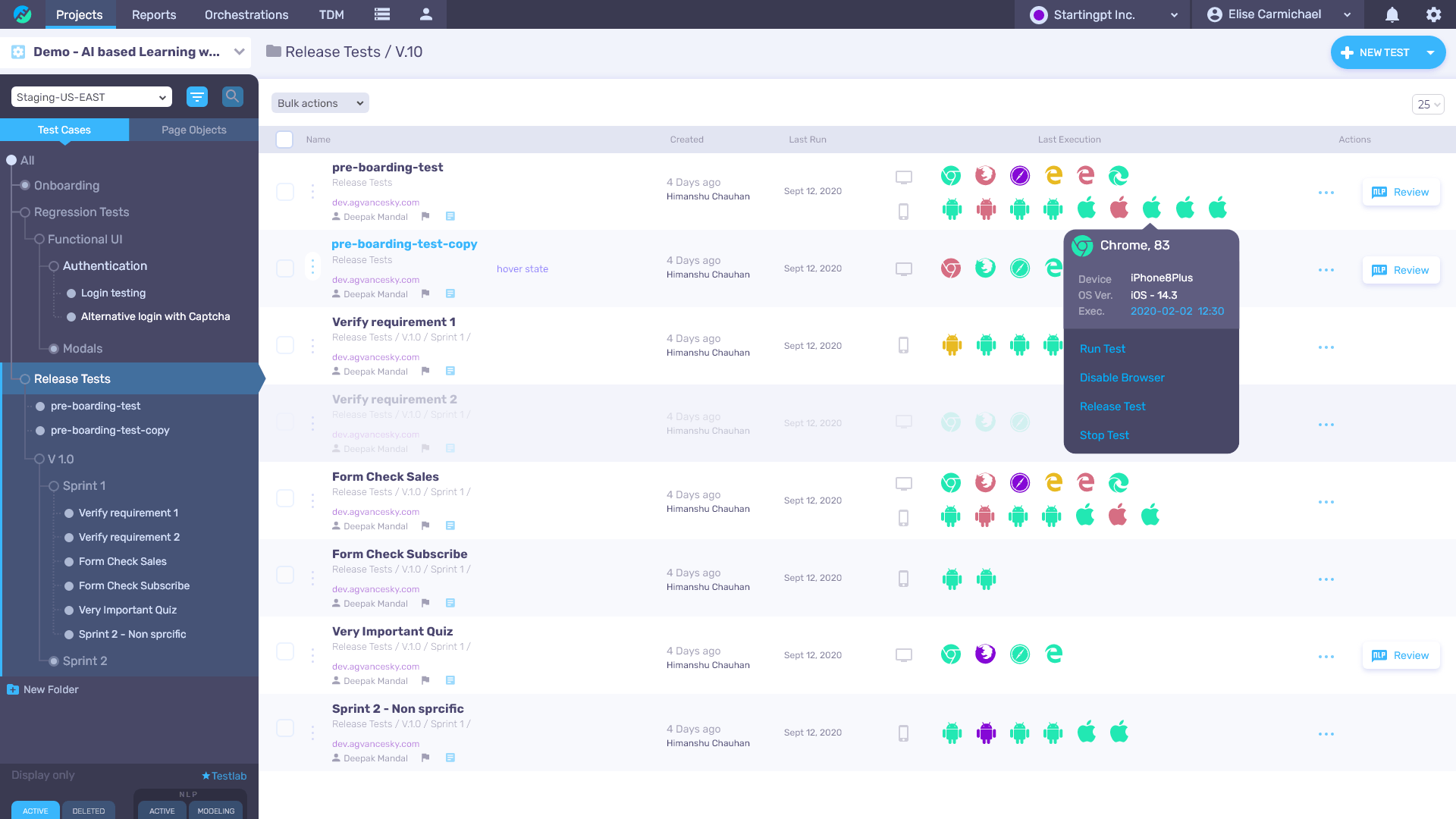
Testing used to be one of the slowest parts of the development cycle. AI-driven testing tools have changed that by running hundreds of test cases at once and stress testing an application at a scale no human QA team could match on its own. These tools can also predict where errors are likely to show up based on historical data, and in some cases fix simple issues automatically.
SmartBear and Functionize are two AI tools built specifically for this: automating regression testing, unit testing, and functional testing so developers can catch bugs before they ship. On the infrastructure side, Google Cloud's AI can automatically flag security issues and inefficiencies across large-scale cloud environments.
AI in Project Management
Software development involves a lot more than writing code, and AI is increasingly handling the coordination side too. By analyzing past projects and workflows, AI can help assign tasks, flag potential delays, and spot resource bottlenecks before they become a real problem.
Project management platforms like Jira and Monday.com now build AI directly into their tools to suggest more efficient workflows. Some can analyze a team's past performance and the complexity of the work involved to predict delivery timelines with real accuracy, giving managers the kind of real-time risk data they'd otherwise only get after something went wrong.
AI in Security and Maintenance
AI-powered security tools like Darktrace and CrowdStrike detect and respond to security breaches in real time by spotting anomalies against a baseline of normal activity. That matters more every year as the volume and sophistication of cyber threats keeps climbing.
AI is also taking on more of the maintenance side. It can flag when a component needs an update, recommend patches based on how the code is actually performing, and reduce downtime, which is a real benefit for DevOps teams juggling more systems than they can manually monitor.
Building Intelligent and Adaptive Applications
It is not only the processes of software development that AI changed, it has changed the nature of applications itself. Intelligent and responsive applications are the new order that provides users with highly personalized experiences. AI-powered recommendation engines tailor content to individual users based on their past behavior, especially in platforms like YouTube and Netflix, where recommendation engines are becoming highly intelligent as each day passes.
On top of it, these applications can interact with users also now, thanks to the rise of natural language processing (NLP). Chatbots and virtual assistants are day-by-day becoming more human-like. OpenAI's GPT and Google's BERT can comprehend and respond to user queries with the flexibility of human interactions.
AI in CI/CD Pipelines
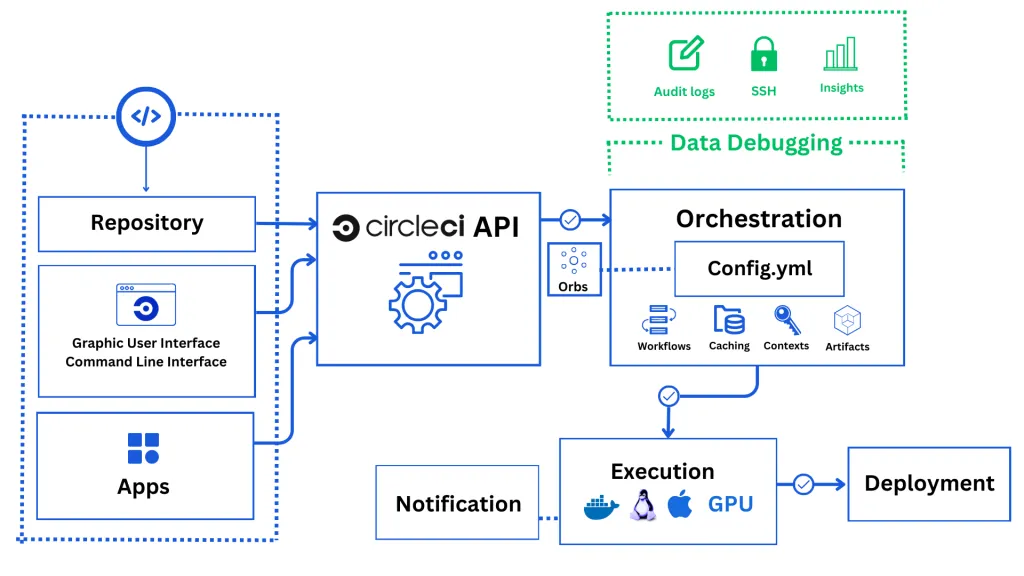
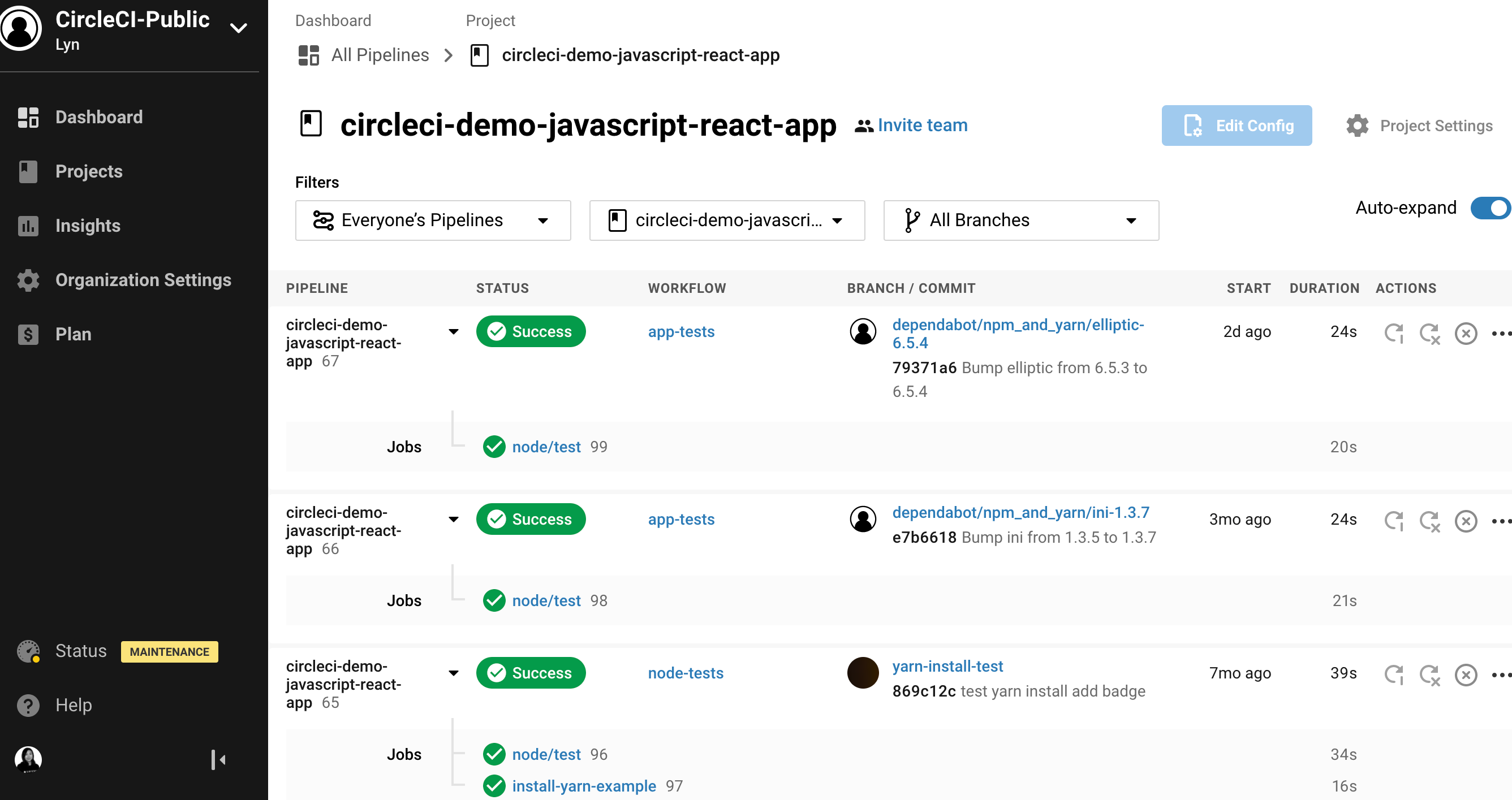
AI has changed how continuous integration and continuous delivery pipelines work. AI-powered analytics can predict potential deployment failures before they happen and automate manual steps in the pipeline. Tools like CircleCI and Jenkins use this to identify weak points in a deployment and ship releases faster and more reliably.
These systems also learn from past deployment data to suggest improvements over time, which makes the CI/CD process more resilient as conditions change.
AI in Cloud Management and DevOps
Provisioning and scaling infrastructure has gotten a lot easier with AI-based tools like AWS Lambda, Azure AI, and Google Cloud's AI. Managing cloud resources efficiently no longer has to be a manual, reactive process. Predictive autoscaling can adjust resource allocation based on real-time demand, which matters most during traffic spikes and other unpredictable events, keeping performance high while keeping costs and downtime low. AI-enabled DevOps tools add automated troubleshooting on top of that.
How AI Is Changing the Applications Themselves
AI hasn't just changed how software gets built. It's changed what the software itself can do. AI-powered recommendation engines, the kind behind YouTube and Netflix, tailor content to individual users based on their past behavior, and they get more accurate the more data they have to work with.
Natural language processing has also made applications easier to talk to. Chatbots and virtual assistants built on models like OpenAI's GPT and Google's BERT can understand and respond to user queries with a level of flexibility that would have been unrealistic a few years ago.

Image source: Freepik
Will AI Replace Software Developers?
No. AI is good at handling repetitive, well-defined tasks like generating boilerplate code, running tests, and flagging anomalies. What it can't do is make the architectural decisions, understand business context, or exercise the judgment that goes into building a product that actually solves someone's problem. The realistic shift is AI taking on more of the repetitive work while developers spend more time on design, architecture, and the decisions that need a human in the loop.
What's Next for AI in Software Development
AI's impact on software development is already substantial: faster code generation, better testing coverage, smarter project management, and applications that adapt to their users. The tools behind all of this keep getting more accessible, which means the barrier to using AI well is now more about strategy than access. Teams that treat AI as a core part of how they build software, not a bolt-on tool, are the ones getting the most out of it.